
The Journal
Field. Notes. LA.

FEILD. NOTES. LA 0019. Sunset Junction, In Layers.
Following Sunset Boulevard from Echo Park into Silver Lake, Sunset Junction reveals a different layer of Los Angeles. The Black Cat, changing storefronts, street life, architecture and the hills beyond show how history and reinvention can coexist, and what that can teach us about designing homes with more character.

Echo Park, In Layers
Echo Park reveals itself through layers: old signs, storefronts, murals, thresholds, reflections, temporary light and the traces of everyday life. Field Notes LA 0018 explores what the neighborhood can teach us about atmosphere, transition, memory and creating interiors that feel personal rather than flattened.
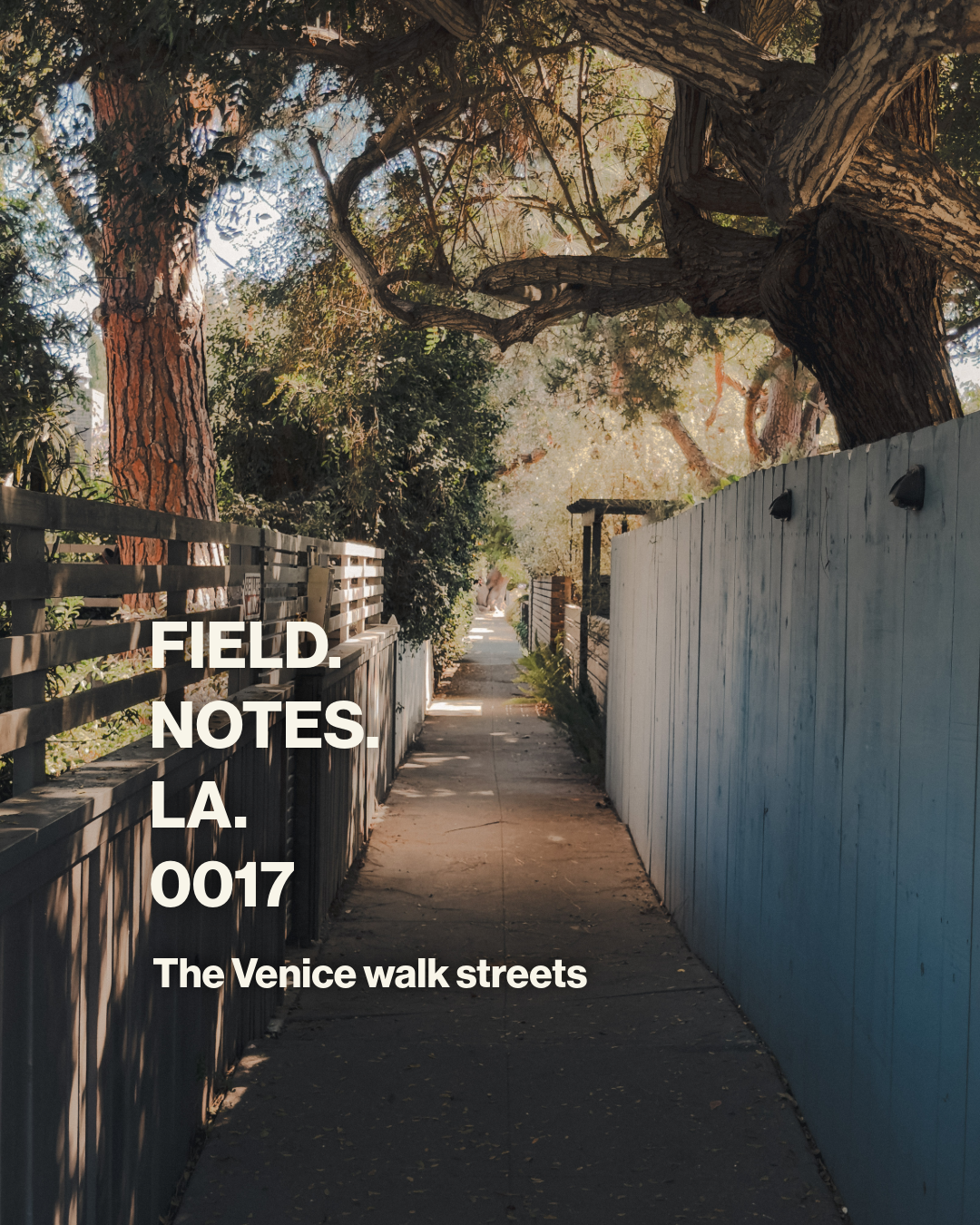
The Venice Walk Streets
Venice’s historic walk streets remove the car from the foreground and bring architecture, gardens, thresholds, and everyday life closer together. A Field Notes LA study of what this unusually human-scale part of Los Angeles can teach us about designing the experience of home.
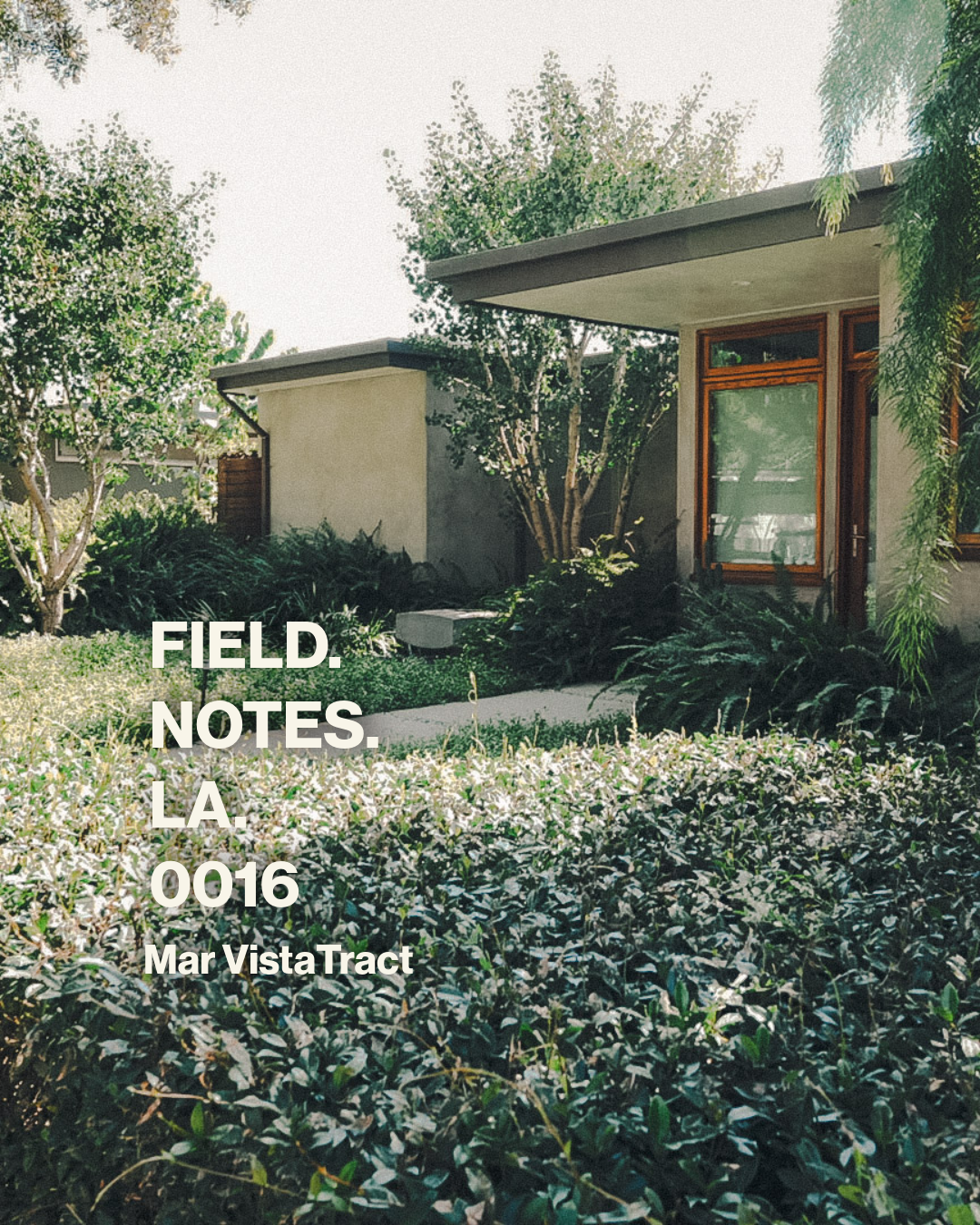
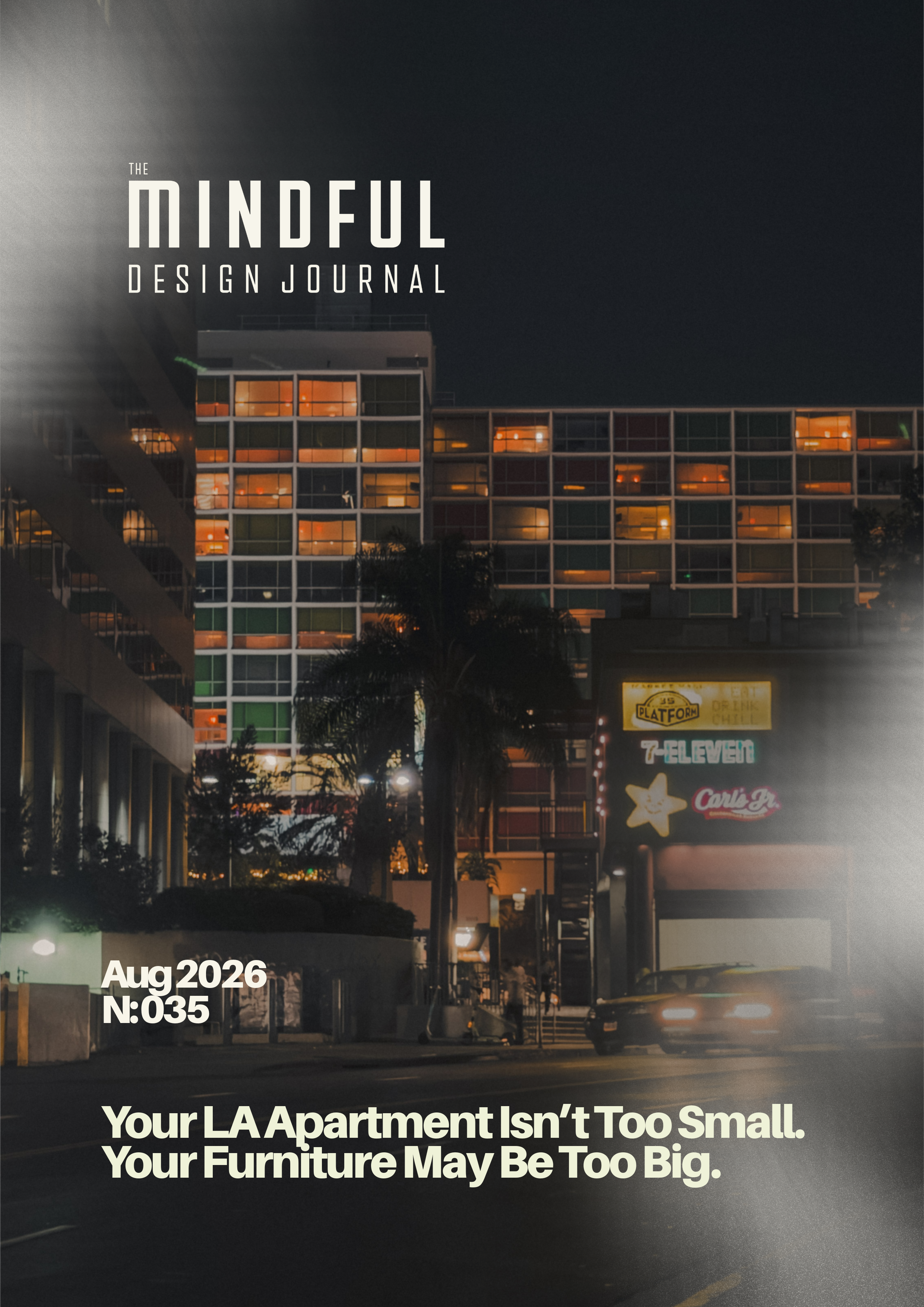
Your LA Apartment Isn’t Too Small. Your Furniture May Be Too Big.
Your apartment may not actually be too small. Oversized furniture, poor circulation, and the wrong proportions can make even a well-sized space feel cramped. Mindful Design Journal №35 explores how to identify the real pain points in a room—and how thoughtful interior design can help your home feel easier, calmer, and more aligned with the way you live now.

What to Keep When You’re Starting Over: Designing After a Major Life Transition
Starting over is an edit, not a purge. When life changes through divorce, relocation, career shifts, or a new chapter, your home can help create continuity while making room for what comes next. Here’s how to decide what deserves to stay- and what may be ready to go.


Your Rental Is Not a Waiting Room: Designing for the Life You Are Living Now.
Your lease may be temporary, but your life is happening now. Mindful Design Journal N°32 explores why renters deserve homes that feel personal, intentional, and supportive—and how thoughtful design can create belonging without overinvesting in a property you do not own.

The Home You Return To: Why Arrival Matters.
Coming home is more than crossing a threshold. Discover how a thoughtfully designed arrival experience can reduce daily friction, shift the atmosphere, and help your home support the life you are building next.

What It Means to Hire a Lifestyle Design Studio
What does it actually mean to hire a lifestyle design studio? Curated Style Collective looks beyond furniture and finishes to consider how your home supports your routines, identity, relationships, and the life you are building next. By combining interior design with an understanding of behavior, atmosphere, and personal ritual, lifestyle design creates spaces that are not only beautiful, but more aligned with the way you actually want to live.

The Difference Between a Styled Home and a Supportive Home
A home can be beautifully styled and still make everyday life harder. This Mindful Design Journal explores the difference between decorating a room and designing one that supports your routines, well-being and next chapter.

Beyond the Bachelor/ette Pad: Designing a Home With Taste, Confidence, and Ease
There comes a point when a single professional’s home stops feeling effortless and starts feeling unfinished. This post explores the emotional weight of the bachelor/ette pad, the psychology of home, and how intentional design can support identity, confidence, dating, hosting, and the life you are building next.

The Wellness Home Is Not Beige. It Is Personal.
Wellness interiors have become dangerously predictable: beige sofas, pale woods, linen everything, and rooms so quiet they almost disappear. But a truly supportive home is not defined by a trend palette. It is shaped by your nervous system, rituals, identity, and the life you are building next.
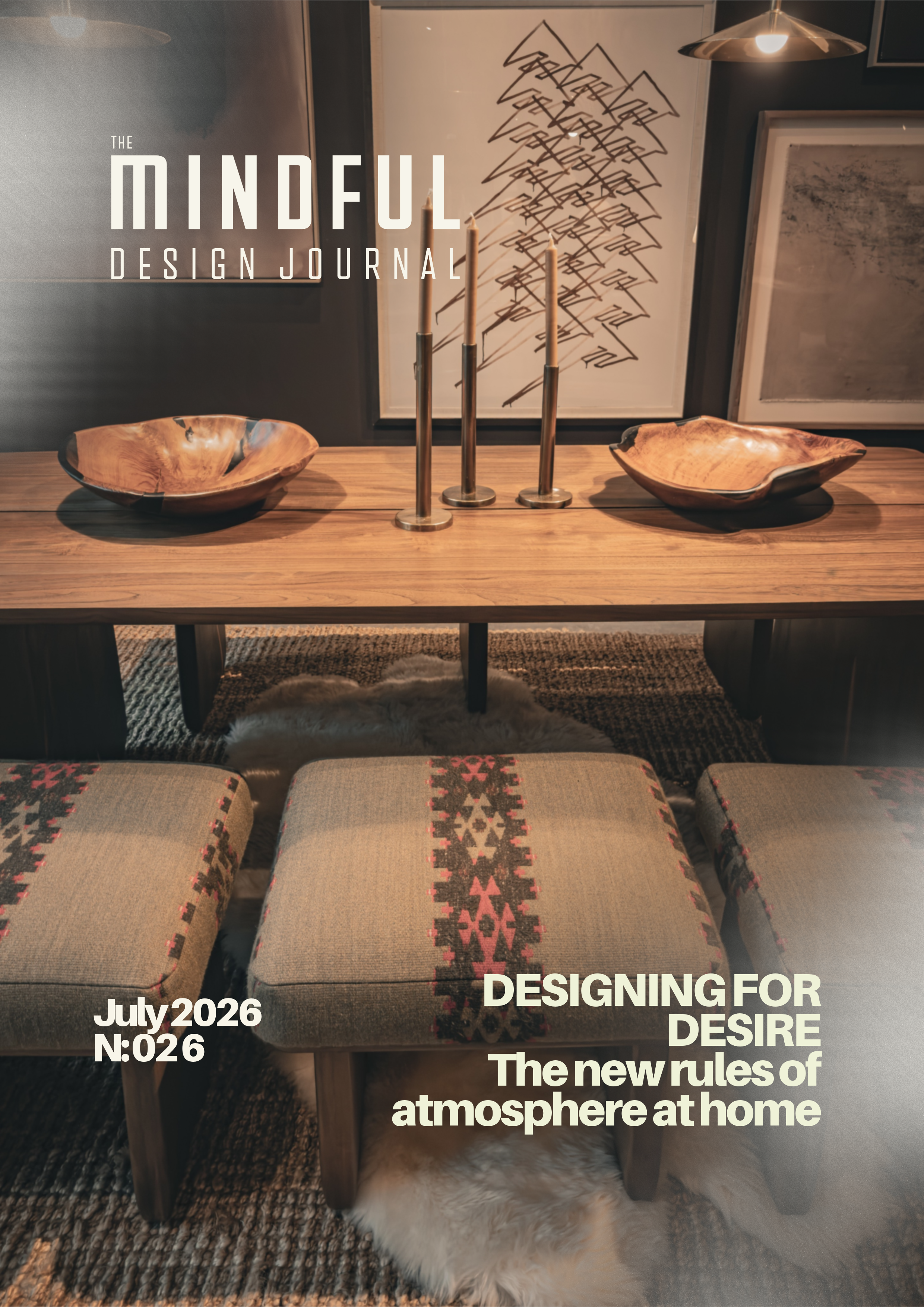
Designing for Desire: The New Rules of Atmosphere at Home
A home can be beautiful and still feel emotionally disconnected. This Mindful Design Journal explores how atmosphere — light, scent, texture, music, art, and materiality — helps a home support who you are becoming, not just how you want things to look.

The LA Apartment Theory: Small Space, Big Identity
A story-driven look at why small Los Angeles apartments, rentals, and compact homes are not placeholders, but powerful expressions of identity, taste, creativity, and the life you are building next.
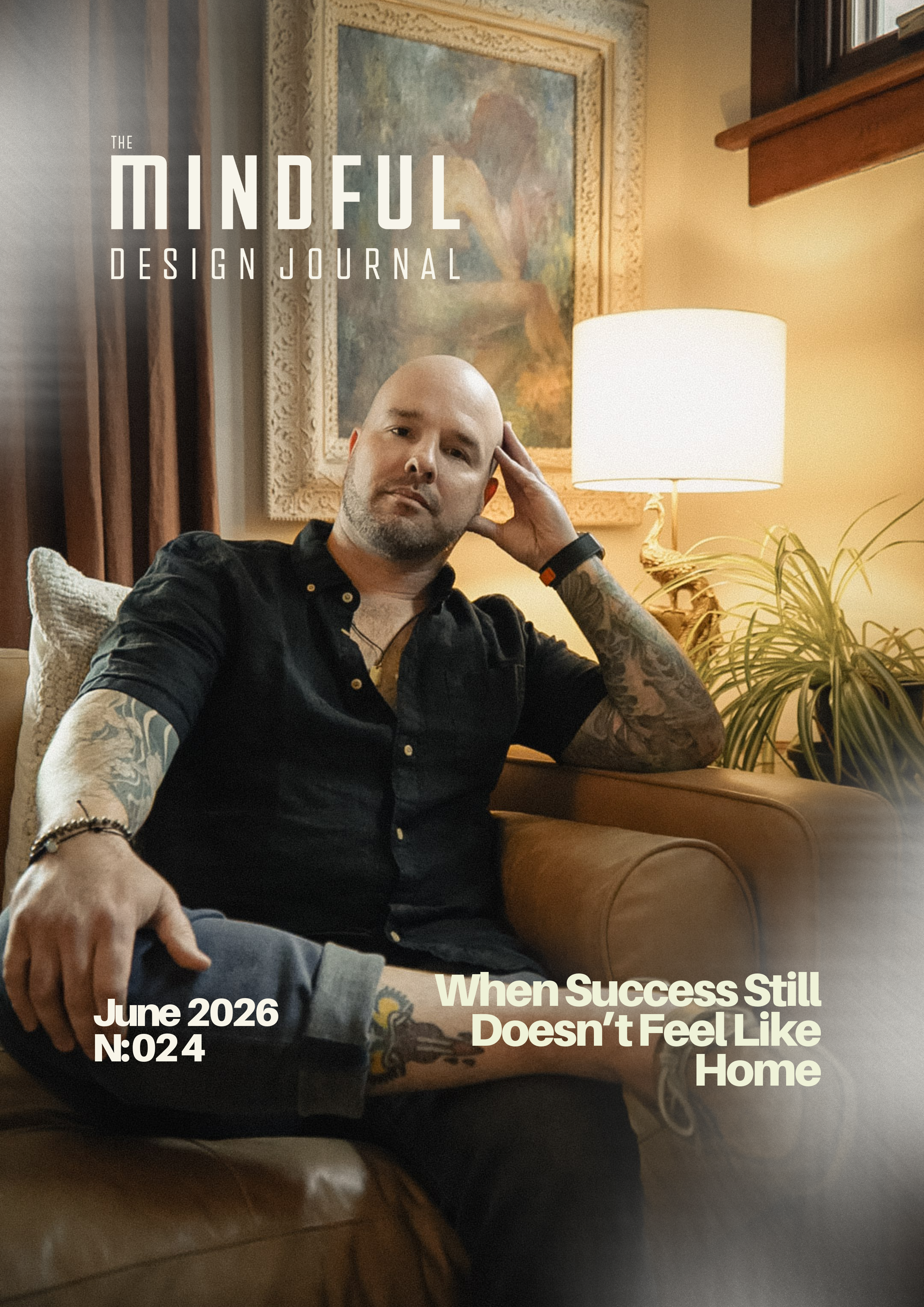
When Success Still Doesn’t Feel Like Home
Success can change the way you live, rest, work, gather, and recover. But sometimes, the home stays designed around an older version of your life. In this Mindful Design Journal post, Craig Gritzen of Curated Style Collective explores why a beautiful home can still feel disconnected — and how thoughtful lifestyle design can help your space support the life you are building next.

A Beautiful Home Should Do More Than Look Good
A beautiful home should do more than photograph well. It should support your mornings, your recovery, your confidence, your relationships, and the way you move through your next chapter.
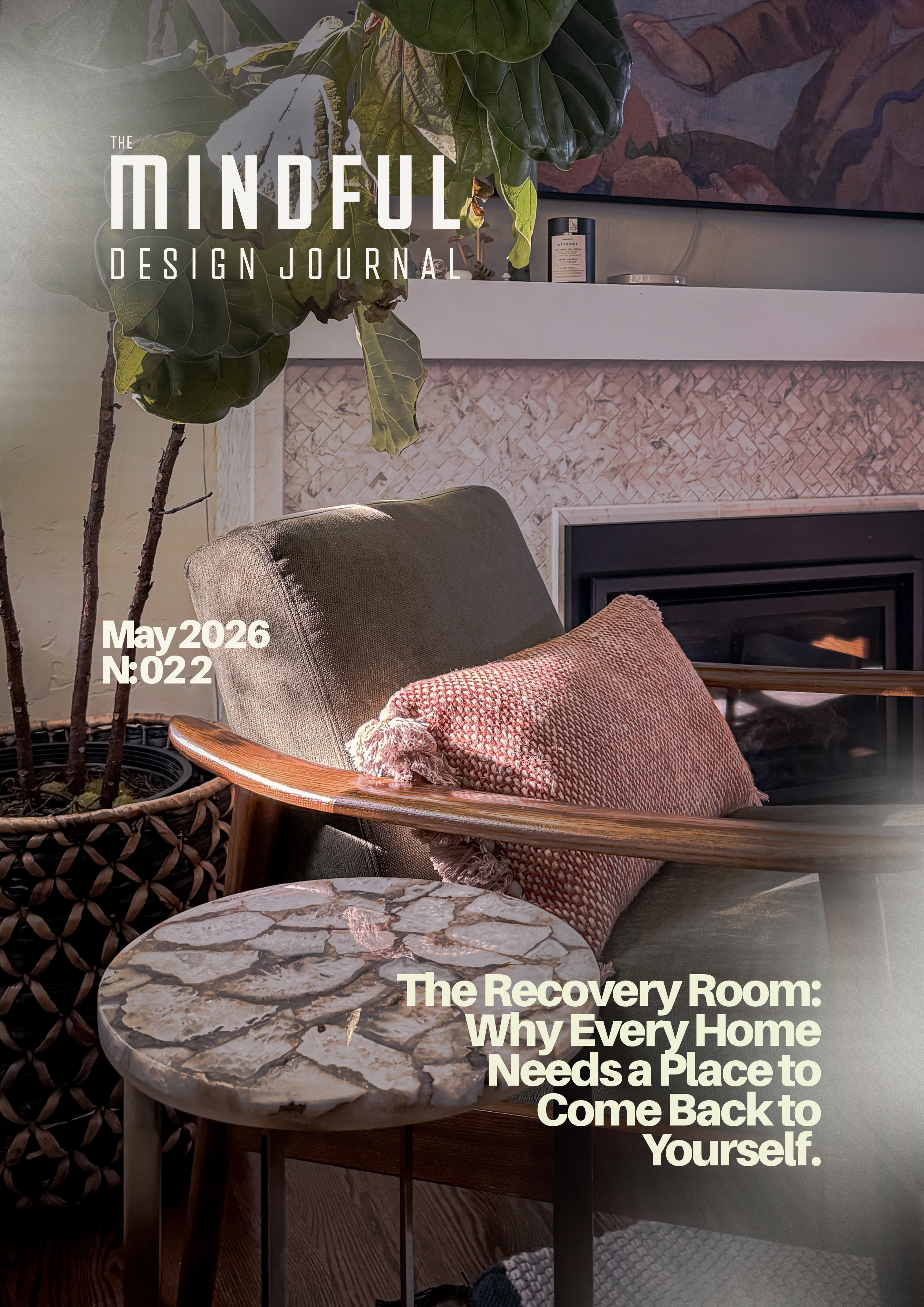
The Recovery Room: Why Every Home Needs a Place to Come Back to Yourself
A recovery room at home is not a medical space or a wellness trend. It is a room, corner, or zone designed to help you come back to yourself after the demands of daily life. In this Mindful Design Journal post, Curated Style Collective explores how restorative interior design, calming lighting, texture, visual quiet, and intentional rituals can support rest, emotional reset, and a more sustainable way of living.

Your Home Is Not Just Decor. It Is a Life System.
Your home is not just a collection of furniture, finishes, and beautiful objects. It is a life system that shapes how you wake up, recover, focus, connect, host, sleep, and return to yourself. In this Mindful Design Journal post, Curated Style Collective explores how science-informed interior design can reduce friction, support daily rituals, and help your home become infrastructure for a more intentional life.

The Bachelor and Bachelorette Home: What It Should Actually Feel Like?
The modern bachelor or bachelorette home should not feel like a stereotype. It should feel sexy, grounded, functional, intentional, and personal- a space that supports who you are becoming.